
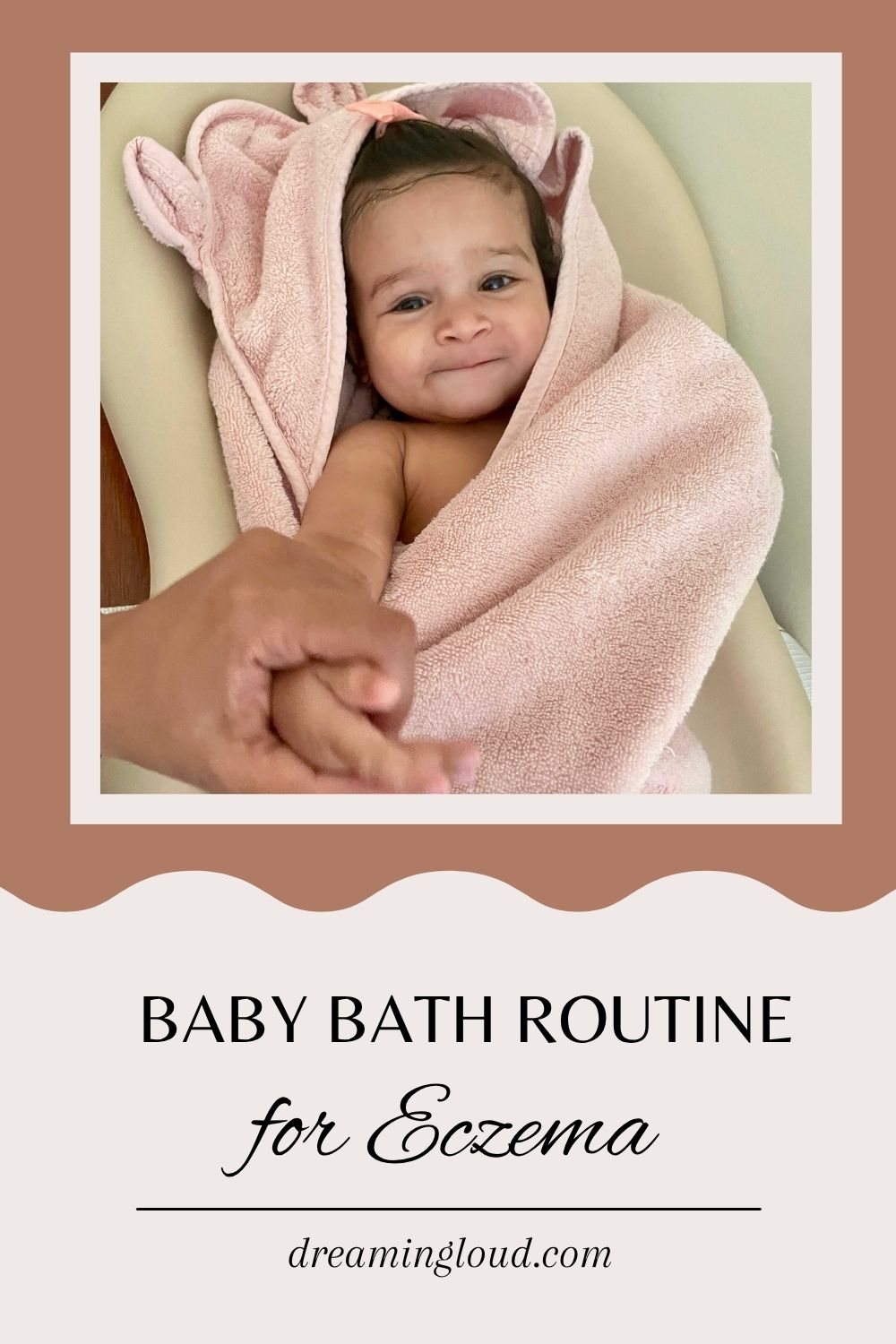
When my son was a baby, we went through a rough phase of eczema. It was heartbreaking to watch his delicate skin constantly flare up, leaving him irritated and uncomfortable. We tried everything—commercial baby soaps, moisturizers, even prescription steroid creams (which we hated using). But nothing cured it.
That’s when I made a big shift.
I eliminated soap from his bath routine and started a simple, natural, and fragrance-free skincare regimen. It wasn’t overnight, but within 2 weeks of making these changes, his eczema was cured—and it never came back.

This baby bath routine for eczema is the one I wish I had found sooner—simple, nourishing, and built around ingredients that calm and hydrate the sensitive skin rather than strip it.
Note: Eczema can be triggered by both external irritants (like harsh soaps, fragrances or dry weather) and internal factors, such as food allergies (commonly dairy, eggs, or nuts). What my son had was topical and as per my pediatrician it’s due to soap. If your baby is experiencing severe flare-ups, it’s a good idea to work with your pediatrician to identify the root cause of the eczema.
In this post, I’m sharing:
- The exact steps of our baby bath routine
- Ingredients that helped heal my baby’s skin (like colloidal oats, coconut oil, and breastmilk)
- A DIY oat bath powder recipe
- Tips to prevent post-bath dryness and flare-ups
Now, with my daughter, we’ve been using this same routine since birth, and we haven’t experienced any skin issues related to eczema. It’s been gentle, effective, and has given me a great deal of peace of mind as a mom.
Here’s a look at the natural bath time routine that helped heal my son’s eczema and has kept my daughter’s skin soft, happy, and eczema-free from day one:
You might also like these related posts:
- 2-5 Month Baby Kicking Activities
- Diaper Bag Essentials
- Non-Toxic Baby Registry Part 1
- Homemade Baby Bottu (Bindi) recipe
- Tonsure Ceremony In the USA
- Baby Uggu (recipe cereal) Recipe
- Butterfly Theme First Birthday
Baby Bath Routine for Eczema Care
1. Pre-Bath Massage with Coconut Oil
Coconut oil has been a true multitasker in our home—not just for baby care, but for everything from cooking to skincare. It contains lauric acid, a powerful compound known for its anti-inflammatory and antimicrobial properties, which makes it incredibly effective for calming irritated, inflamed eczema patches and soothing cradle cap. It also provides natural relief from itching and helps the skin retain moisture.

We use Nutiva Cold-Pressed Organic Coconut Oil, a brand I have highly trusted and have been using for over 8 years. It’s pure, gentle, and safe enough for even the most delicate baby skin.
Our Coconut Oil Massage Routine
I massage her skin with coconut oil about 1 to 2 hours before bath time. This gives the oil enough time to nourish and soften the sensitive skin deeply. Pre-bath oiling is a deeply rooted tradition in Indian baby care. It’s believed to help strengthen the baby’s muscles, support healthy bone development, and prevent dryness by locking in moisture before the bath. Beyond its physical benefits, it also fosters a calming and bonding ritual between parent and baby.
Twice a week, I also apply coconut oil to her scalp, which has helped keep it healthy and flake-free. When she had cradle cap in the early weeks, I would mix a few drops of breastmilk into the coconut oil and gently massage it onto her scalp. It made a tremendous difference—the flakes softened, the irritation reduced, and her scalp looked so much healthier within days.
Breastmilk truly is nature’s remedy—nourishing and packed with healing properties that work wonders on baby’s skin.
Right now, at 6 months, I only massage twice a week when I apply oil to her scalp due to time constraints and

2. Bath with Colloidal Oatmeal Bath Powder & Breastmilk (or any Milk)
This was the game-changer in healing my son’s eczema.
Instead of baby soap or body wash, I cleanse using a mixture of colloidal oatmeal (finely ground oats) and breastmilk!
Oats are rich in beta-glucan, which gives them both occlusive and humectant properties. This means they not only help lock in moisture by forming a protective barrier on the skin (occlusive), but also draw moisture into the baby’s skin (humectant), keeping it hydrated and soothed.
This natural combination is incredibly effective in hydrating, calming, and healing eczema-prone skin—all without harsh ingredients or irritation.
How to Make Colloidal Oatmeal (Oat Bath Powder) at Home
- Start with about 1 cup of rolled or steel-cut oats for a small batch.
- Grind into a fine powder– Blend or grind the oats until they become a fine, flour-like powder—the finer, the better! If you notice any lumps or coarse bits, sift the powder through a sieve for a smooth finish.
- Test the texture -To check if your oats are fine enough to be colloidal.
- Stir a spoonful into a glass of warm water.
- If the water turns milky and smooth, with no large particles settling at the bottom, it’s perfect!
- Store– Keep the ground oats in an airtight glass jar. I store mine in a closed bathroom cabinet to keep it dry and easily accessible during bath time.
Don’t have the time to make it at home
I highly recommend this store-bought version. I always keep it on hand as a backup, and we’ve used it many times—it works just as well and is super convenient for busy days.

How to Use
Path Test
Do a patch test in a small area of your baby’s skin, like the inside of the forearm or behind the knee. Wait 24 hours and observe for any signs of irritation, redness, or rash. If the skin looks clear, you can start using it the next day.
There are two ways to use it-
Process #1
- Add 2 tablespoons to the baby’s lukewarm bath water and stir well.
- Add a few drops of breastmilk to it
- Use this water to bathe the baby
- Gently pat dry, and moisturize immediately after.
- This is perfect for newborns (after the umbilical cord stump falls off)
Process #2 (this is what we use)
- Add 2 tablespoons of colloidal oatmeal to a bowl.
- Add a few drops of breastmilk, or milk of your choice (I used cow’s milk for my son once my supply dropped—be sure to patch test first), or plain warm water.
- Mix to form a smooth, loose paste—you’re aiming for a yogurt-like consistency. It should be thin enough to spread easily over your baby’s skin, but not watery.

When applying to the Face
For the face, be extra careful. I use only my thumb to gently spread the mixture, keeping it away from the eyes and avoiding the lips entirely. If your baby is too wiggly, you can simply dip a soft cloth into the oat-infused water and use that to gently cleanse the face instead.
What About Hair?
My son didn’t have much hair as a baby, so I used the same oat mixture on his scalp as well. Once his hair started growing—or for my daughter, who was born with a full head of hair—we use Mustela Baby Shampoo for Cradle Cap to keep her scalp healthy and flake-free.

3. Fragrance-Free Everything
One of the first changes I made was eliminating all fragranced products from our baby’s routine. This included bath products, baby wipes, detergent, lotions—everything. Even items labeled “baby-safe” often contain hidden irritants that can trigger eczema or skin sensitivity.
Our pediatrician specifically advised us to completely avoid lavender-scented products and only use fragrance-free products. We first noticed signs of eczema in my son after using the Tubby Todd Lavender Soap, which made us realize how even gentle-sounding scents can trigger a reaction on sensitive skin.
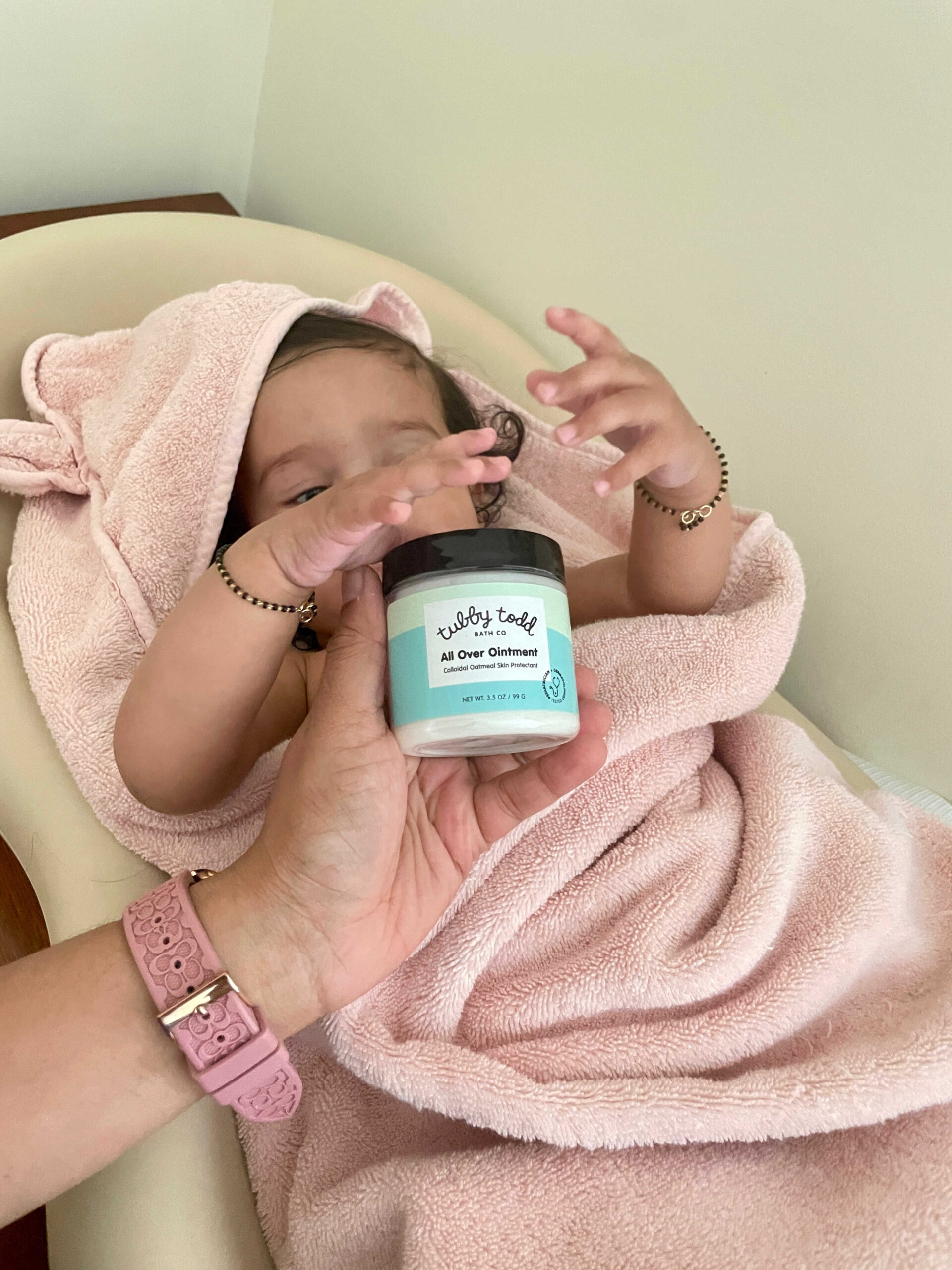
4. Post-Bath Baby Eczema Moisturizer – Tubby Todd All Over Ointment
After bath time, I gently pat the skin dry with a soft towel and apply Tubby Todd All Over Ointment. This product has been a lifesaver for us. My son is 4 years old now, and I still use it (planning to switch to a similar body oil for him very soon)
t’s:
- Thick and nourishing
- Free from fragrance and harsh ingredients
- Effective on dry patches, eczema-prone areas, and even cradle cap
5. Other Baby Bath Time Essentials We Love
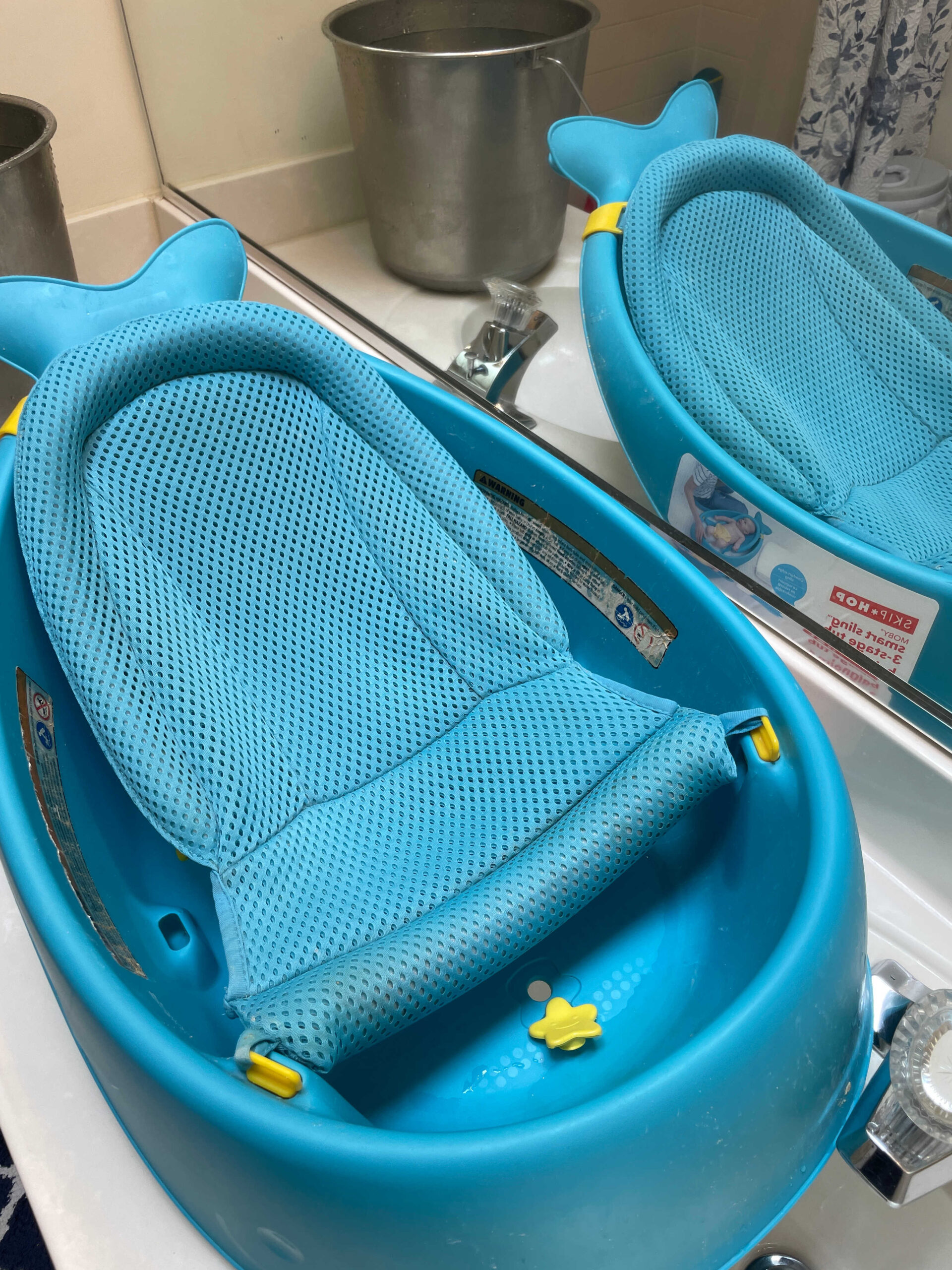
1. Skip Hop Moby Smart Sling 3-Stage Baby Bath Tub
We love this baby tub—used it for our son, and now we’re using it again for our daughter. It’s been one of those must-haves that truly lasts. My friends and readers who purchased it based on my recommendation have shared only positive feedback.
What we love most is how this tub grows with the baby. In Stage 1, you use the soft mesh sling to gently support your newborn. In Stage 2, you can adjust the sling to provide additional support for your baby as they learn to sit. And in Stage 3, you remove the sling completely, and it becomes a spacious tub for babies who can sit on their own. The mesh sling is easy to remove and machine washable. The non-slip base adds extra safety, and the built-in drain plug makes cleanup quick and easy.
Shop the Tub Here, and Rinse cup Here


2. Natemia Organic Hooded Baby Towel
These are the best towels we’ve used for both of our kids. They’re generously sized, making them perfect for both newborns and toddlers. The organic cotton stays incredibly soft, even after multiple washes—no pilling, no stiffness—so they hold up beautifully through everyday use.
Shop the Towels here

3. Steel Bucket
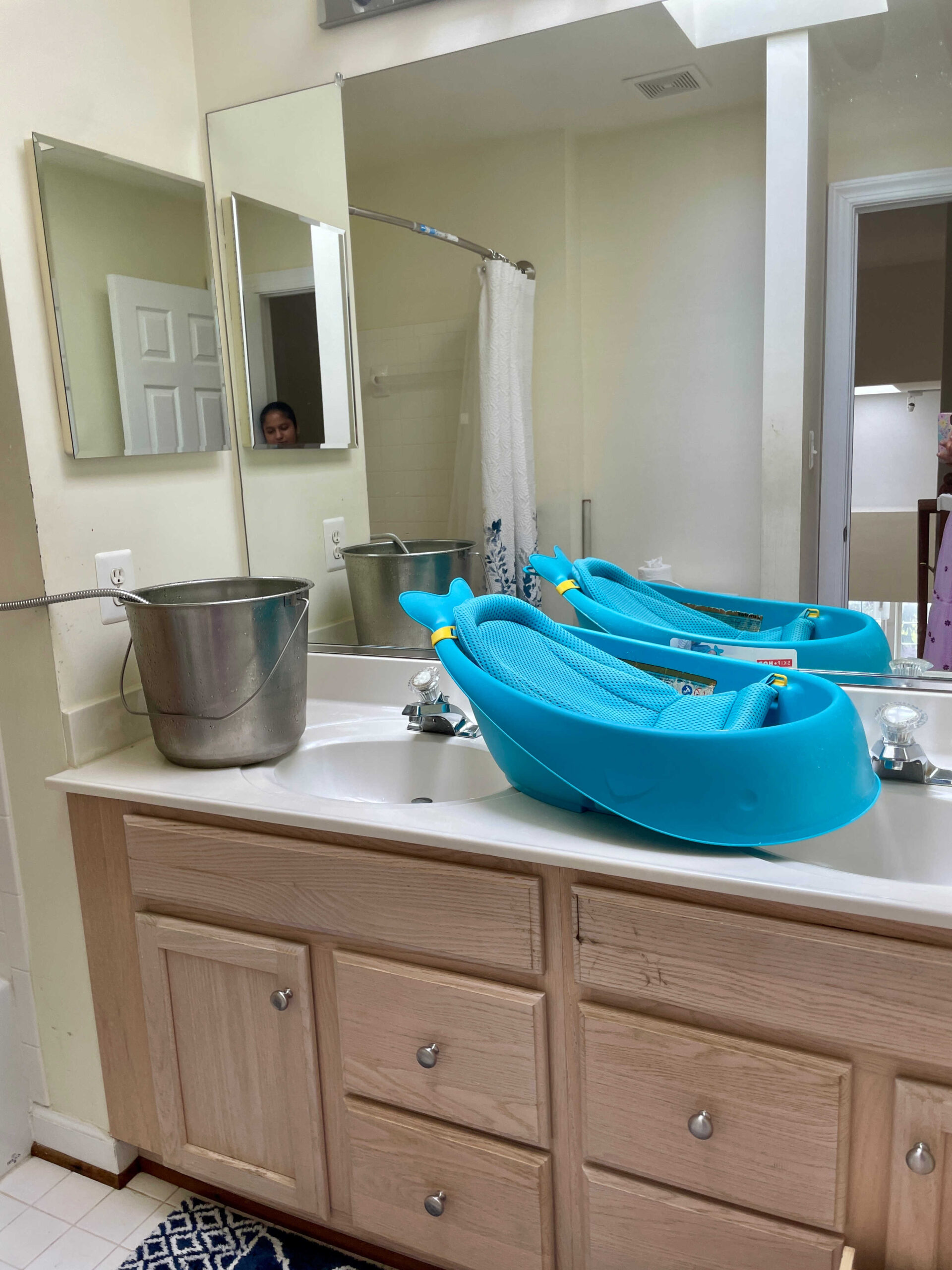
We place the baby tub on the bathroom counter next to the sink—that way, I don’t have to bend, and it makes bathing a newborn more comfortable. I use a steel bucket and a handheld sprinkler for filling, so there’s no heavy lifting. Once the baby can sit up well, we move the tub to the main bathtub.
Shop the Bucket here
4. Teether & Toys
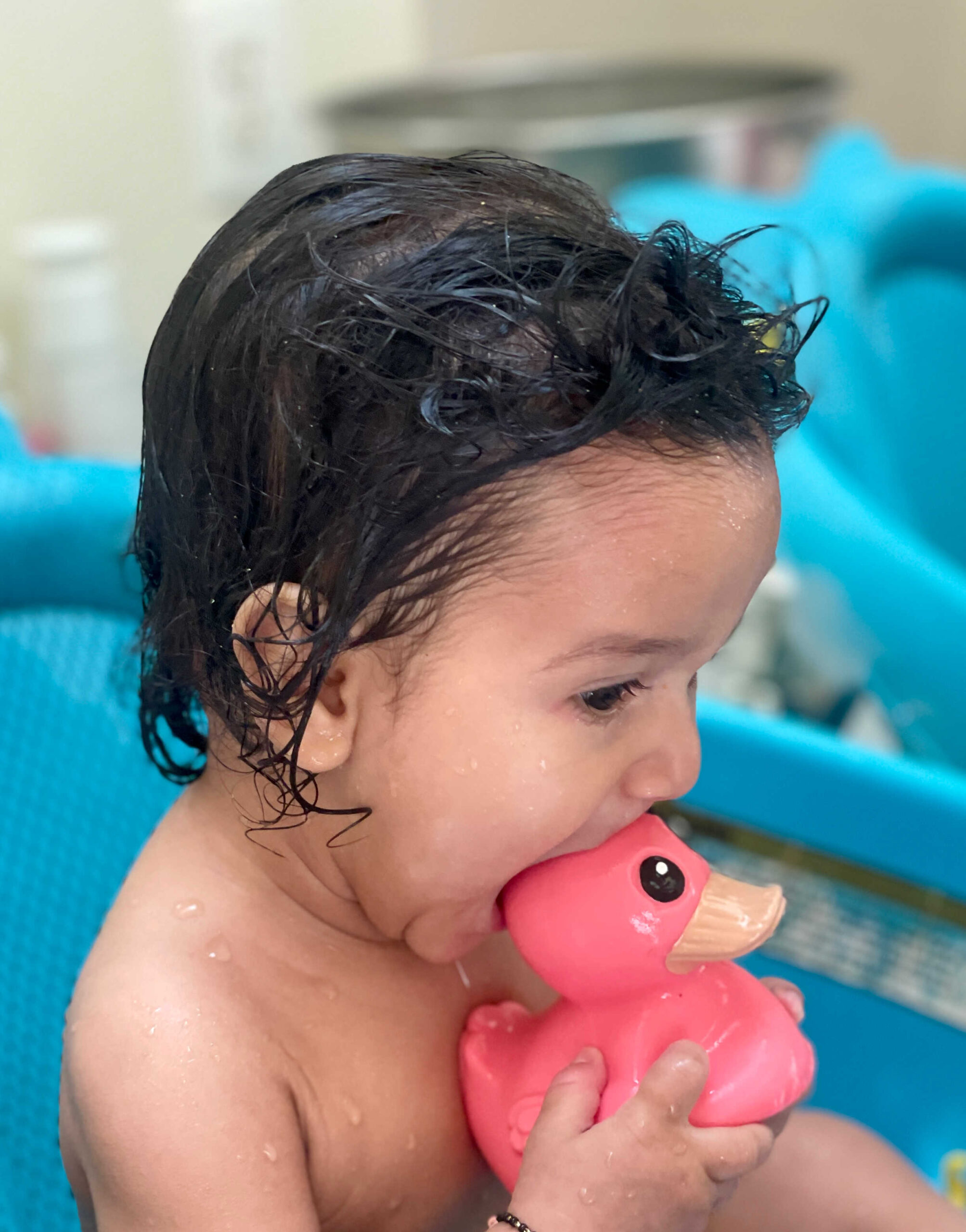
Once the baby starts rolling and getting more active, bath time can become a bit tricky. For us, giving her a teether during bath time has been a game-changer—it keeps her engaged and still, making it easier (and safer) to bathe her.
- 100% natural or food-grade material
- Non-toxic and mold-resistant
- Easy to clean and quick-drying
Here are a few teethers we love-
- Hevea Kawan Mini Rubber Duck
- Tikiri My First Safari Lion Natural Rubber Rattle
- Infantino Lil’ Nibbles Textured Silicone Teether (fav teether of both my kids)
NEW Added on 12/1/2025
This Dreambaby Baby Bath Thermometer gives you an instant read on the water temperature and doubles as a bath toy — honestly, it’s one of the most engaging bath toys we own, plus it’s rechargeable
5. Baby Head Visor
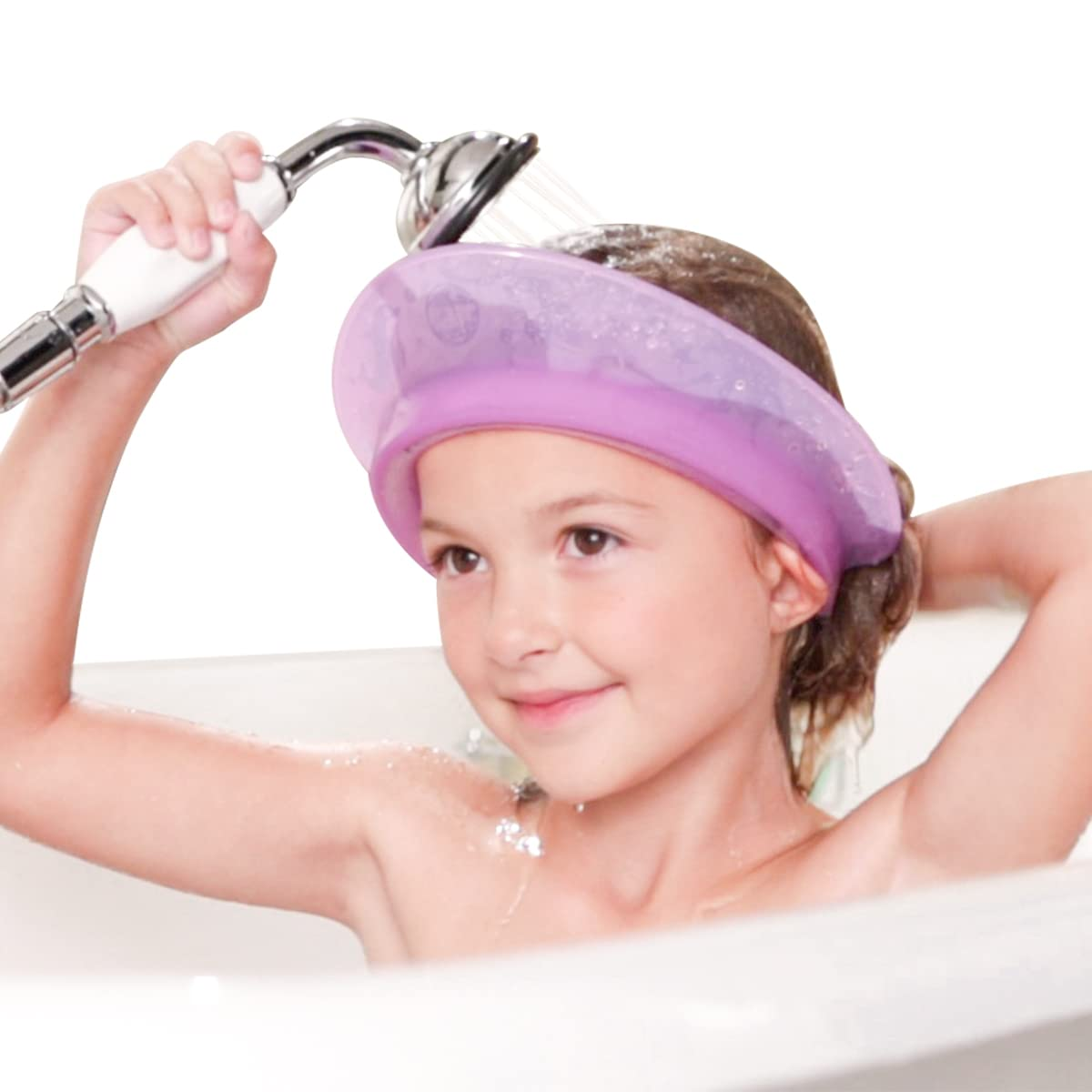
Around 6-7 months, when my daughter started sitting up, this visor became a total lifesaver — and we still use it for my toddler too. It keeps water out of their face and eyes while washing their hair. Just shampoo as usual, and when it’s time to rinse, pop the visor on and pour the water over.

5. DIY Black Bindhi On the Forehead
In many Hindu households across India, it’s a cherished tradition to place a black bindhi (also called Sadu Bottu in Telugu) on a baby’s forehead—regardless of gender. This tiny dot is believed to ward off the evil eye (drishti) and protect the baby from negative energies.
A store-bought baby Kajal can also be used. My mom makes Sadu Bottu at home, using simple, natural ingredients. Traditionally, it’s made with saggubiyyam (sabudana or tapioca pearls) and a small amount of rice. I’ve shared the full recipe and how I make it in this post
Shop The Post



0 Comments